देश के पहले लेखक गांव संग एएआई देहरादून की अभिनव पहल—यात्रियों के लिए ‘फ्लाईब्रेरी’ का शुभारंभ
देहरादून, 29 मार्च 2026।
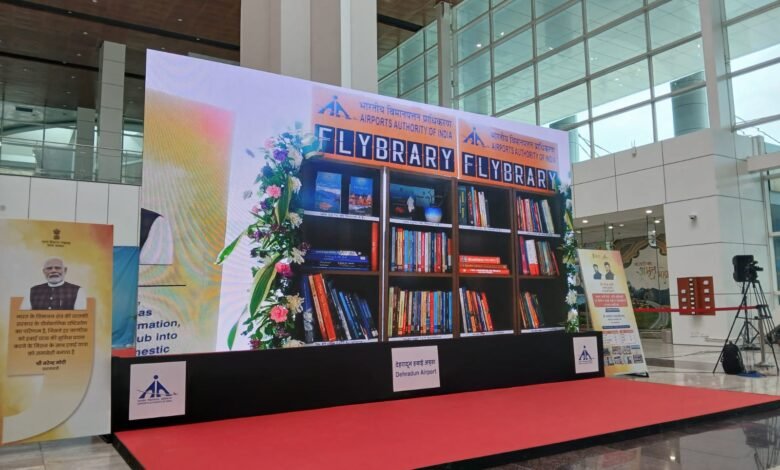
भारतीय विमानपत्तन प्राधिकरण एवं भारत के प्रथम लेखक गांव के संयुक्त प्रयास से यात्रियों में पठन-पाठन की संस्कृति को बढ़ावा देने के लिए फ्लाइब्रेरी का उद्घाटन भारत के नागरिक उड्डयन मंत्री राममोहन नायडू किंजरापु द्वारा किया गया।
डिजिटल माध्यम से आयोजित एक भव्य समारोह में जौली ग्रांट हवाई अड्डे में फ्लाइब्रेरी के साथ ही अन्य आधुनिक यात्री सुविधाओं—डिजीयात्रा, वाई-फाई, किड्स ज़ोन—का उद्घाटन एवं समर्पण एक गरिमामय समारोह में किया गया। इन सुविधाओं का उद्देश्य यात्रियों को अधिक सुगम, डिजिटल एवं आरामदायक यात्रा अनुभव प्रदान करना है।
यह कार्यक्रम राष्ट्रीय स्तर पर आयोजित किया गया, जिसमें देहरादून सहित देशभर के 57 हवाई अड्डे वर्चुअल माध्यम से जुड़े रहे, जबकि मुख्य कार्यक्रम गुजरात के हिरासर स्थित राजकोट अंतर्राष्ट्रीय हवाई अड्डे पर आयोजित किया गया।
कार्यक्रम का शुभारंभ मुख्य अतिथि केंद्रीय नागर विमानन मंत्री किंजरापु राममोहन नायडू द्वारा दीप प्रज्वलित कर किया गया। उन्होंने वर्चुअल माध्यम से अपने संबोधन में कहा कि विमानन सेवाओं का विस्तार किसी विशेष वर्ग के लिए नहीं, बल्कि आम नागरिक के लिए किया जा रहा है। उन्होंने प्रधानमंत्री के विजन का उल्लेख करते हुए कहा कि “हवाई चप्पल पहनने वाला व्यक्ति भी हवाई जहाज में सफर कर सके”—इसी सोच के साथ देश में संपर्कता और सुविधाओं का विस्तार किया जा रहा है।
उन्होंने यह भी बताया कि आज देहरादून सहित देशभर में एक साथ 16 ‘फ्लाईब्रेरी’ का उद्घाटन किया गया है। देहरादून हवाई अड्डे पर स्थापित ‘फ्लाईब्रेरी’ विशेष रूप से ‘लेखक गांव’ एवं स्पर्श हिमालय फाउंडेशन के सहयोग से विकसित की गई है, जिसे उन्होंने पठन संस्कृति को बढ़ावा देने की दिशा में एक अभिनव एवं सराहनीय पहल बताया।
कार्यक्रम में विशिष्ट अतिथि के रूप में सांसद परुषोत्तम रुपाला, राज्यसभा सांसद रामभाई हरजीभाई मोकरिया एवं केसरी देव सिंह झाला उपस्थित रहे। साथ ही नागरिक उड्डयन मंत्रालय के सचिव समीर कुमार सिन्हा भी कार्यक्रम में मौजूद रहे। भारतीय विमानपत्तन प्राधिकरण के अध्यक्ष विपिन कुमार ने स्वागत वक्तव्य प्रस्तुत किया।
इस अवसर पर ‘लेखक गांव’ की निदेशक विदुषी ‘निशंक’ ने प्रैस को संबोधित करते हुए कहा कि “भारतीय विमान प्राधिकरण के साथ मिलकर लेखक गाँव भविष्य में भी इस प्रकार की जनहितकारी एवं नवाचारपूर्ण पहलों को आगे बढ़ाता रहेगा। लेखक गाँव के सहयोग से स्थापित देहरादून हवाई अड्डे की ‘फ्लाईब्रेरी’ में पर्यटन, धर्म, संस्कृति, योग, अध्यात्म, उत्तराखंड विषयक साहित्य तथा बाल साहित्य सहित विविध विषयों की अनेक पुस्तकें पाठकों के लिए उपलब्ध कराई गई हैं। यह पहल यात्रियों को प्रतीक्षा के दौरान ज्ञानवर्धन एवं सकारात्मक अनुभव प्रदान करेगी।”
इस अवसर पर भारतीय विमानपत्तन प्राधिकरण, देहरादून के निदेशक बी.सी.एच. नेगी की गरिमामयी उपस्थिति रही। साथ ही लेखक गाँव के प्रतिनिधि के रूप में सलाहकार डॉ. सर्वेश उनियाल, जनसंपर्क अधिकारी डॉ. बेचैन कंडियाल, कार्यक्रम अधिकारी शिवम ढोंडियाल, प्रकाशन प्रभारी हरेन्द्र नेगी ‘तेजांश’ तथा ‘लेखक गांव’ नालंदा पुस्तकालय की प्रतिनिधि अनीता सहित बड़ी संख्या में साहित्यप्रेमी एवं गणमान्यजन उपस्थित रहे।
नव प्रारंभ की गई सुविधाओं में डिजीयात्रा के माध्यम से संपर्क रहित एवं तेज यात्रा अनुभव, निःशुल्क वाई-फाई सेवा, बच्चों के लिए सुरक्षित एवं मनोरंजक किड्स ज़ोन तथा ‘फ्लाईब्रेरी’ शामिल हैं।