उत्तराखण्ड।
▪️”चारधाम यात्रा-2026″ को लेकर डीजीपी उत्तराखण्ड की हाई-लेवल बैठक, सुरक्षा से यातायात तक तैयारियों की गहन समीक्षा
▪️ 2 ADG सहित 4 IG करेंगे चारों धामों सहित यात्रा रूट का स्थलीय निरीक्षण
▪️ यात्रा के सकुशल संचालन में लगभग 7000 पुलिसकर्मी 24×7 रहेंगे मुस्तैद
▪️ 16 सुपर जोन, 149 सेक्टर और 118 पार्किंग स्थल; डीजीपी ने दिए सुरक्षित और सुगम यात्रा के कड़े निर्देश
▪️IG रेंज होंगे चारधाम यात्रा के नोडल अधिकारी, “एकिकृत चारधाम यात्रा कंट्रोल रूम” से होगी 24×7 मॉनिटरिंग
▪️ सुरक्षा सुदृढ़ीकरण हेतु ATS टीमों की तैनाती, मॉक ड्रिल से की जाएगी पुलिस रिस्पॉन्स की समीक्षा
▪️ सोशल मीडिया पर रहेगी सतर्क दृष्टि, भ्रामक पोस्टों पर सम्बन्धित SP’s को तत्काल सख्त कार्यवाही के निर्देश
▪️ चारधाम मंदिर परिसरों में फोन और कैमरा के प्रयोग की मानक SOP का होगा कड़ाई से अनुपालन, कंटेंट क्रिएटर्स की भी होगी निगरानी
▪️ रजिस्ट्रेशन, हेली टिकट की फर्जी वेबसाइटों और साइबर ठगों पर STF की रहेगी पैनी नजर
▪️ चारधाम यात्रा की तैयारियों में सभी स्टेकहोल्डर्स की भागीदारी सुनिश्चित करने के निर्देश
▪️ आकस्मिक पस्थितियों के लिए NDRF, SDRF व Fire Service रहेंगे अलर्ट मोड पर
▪️ यात्रियों की मदद के लिए 57 टूरिस्ट पुलिस केंद्र और 48 हॉल्टिंग पॉइंट्स एवं हेल्पडेस्क तैयार
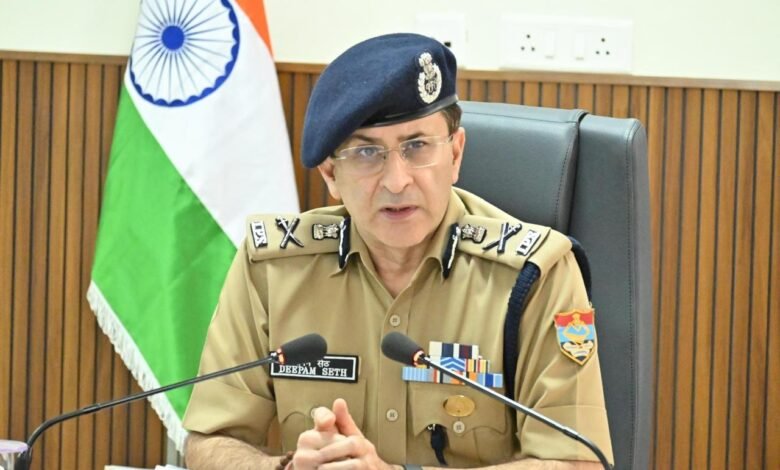
दीपम सेठ, पुलिस महानिदेशक, उत्तराखण्ड की अध्यक्षता में आगामी चारधाम एवं हेमकुण्ड साहिब यात्रा-2026 की तैयारियों के सम्बन्ध में आज सरदार पटेल भवन, स्थित सभागार में एक उच्च स्तरीय समीक्षा बैठक आयोजित कर चारधाम यात्रा मार्गों, धामों एवं संबंधित जनपदों में सुरक्षा, यातायात, भीड़ एवं आपदा प्रबंधन की तैयारियों की विस्तृत समीक्षा की गई। बैठक में गढ़वाल परिक्षेत्र के समस्त जनपद प्रभारियों ने ऑनलाइन माध्यम से प्रतिभाग किया और अपने-अपने जनपदों की कार्ययोजना का विस्तृत प्रस्तुतीकरण दिया ।
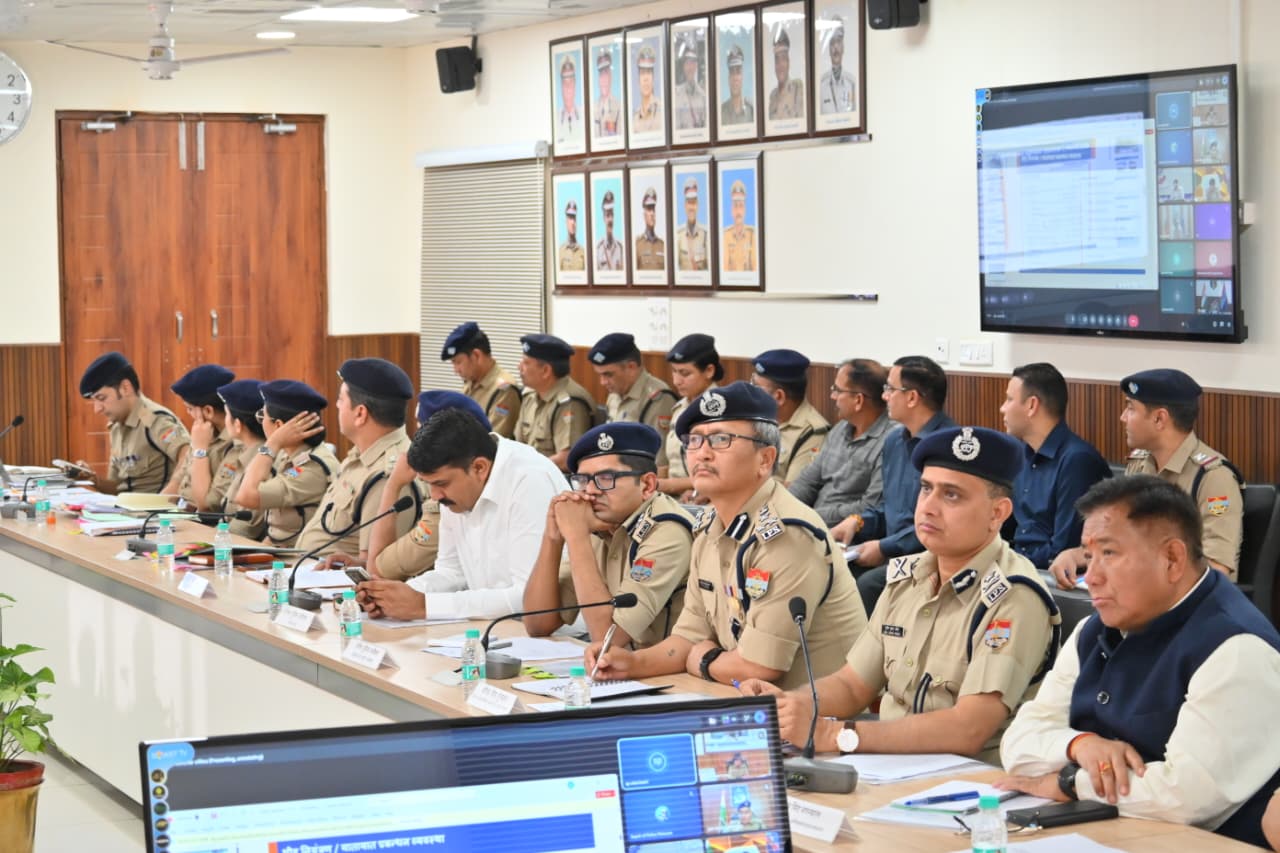
समीक्षा बैठक के दौरान डीजीपी महोदय ने यात्रा को सुरक्षित और व्यवस्थित बनाने के लिए निम्नलिखित मुख्य बिंदुओं पर दिशा-निर्देश जारी किए:
▪️चारधाम यात्रा मार्गों व धामों पर श्रद्धालुओं की सुरक्षा, यातायात प्रबंधन, पार्किंग स्थल, सुरक्षा प्लान, भीड़ प्रबन्धन, हॉल्टिंग पॉइंट्स, टोकन व्यवस्था, रजिस्ट्रेशन केन्द्र तथा ड्यूटी पर तैनात पुलिस बल के ठहराव, भोजन सहित अन्य मूलभूत सुविधाओं का स्थलीय निरीक्षण किये जाने हेतु वरिष्ठ पुलिस अधिकारियों को अलग-अलग धामों की व्यवस्थाओं के निरीक्षण हेतु नामित किया गया है:-
गंगोत्री धाम – अपर पुलिस महानिदेशक, अपराध एवं कानून व्यवस्था- वी. मुरुगेशन
बद्रीनाथ धाम – अपर पुलिस महानिदेशक, प्रशासन-ए.पी. अंशुमान
हरिद्वार– पुलिस महानिरीक्षक, पी एण्ड एम- विम्मी सचदेवा
केदारनाथ धाम– पुलिस महानिरीक्षक, साइबर/पीएसी- नीलेश आनन्द भरणे
• युमनोत्री धाम – पुलिस महानिरीक्षक, प्रशिक्षण- अनन्त शंकर ताकवाले
• ऋषिकेश, लक्ष्मणझूला, मुनिकीरेती – पुलिस महानिरीक्षक, अपराध एवं कानून व्यवस्था- सुनील कुमार मीणा
▪️ आईजी गढ़वाल रेंज, राजीव स्वरूप को चारधाम यात्रा-2026 हेतु नोडल अधिकारी नामित किया गया है। उनके पर्यवेक्षण में गढ़वाल रेंज कार्यालय में “एकिकृत चारधाम यात्रा कंट्रोल रूम” स्थापित किया गया है। जहां से धामों, यात्रा मार्गों एवं प्रमुख ठहराव स्थलों पर सुरक्षा, यातायात, भीड़ प्रबंधन एवं आपदा प्रबंधन व्यवस्थाओं की 24×7 मॉनिटरिंग एवं समन्वय सुनिश्चित किया जाएगा।
▪️ सुरक्षा व्यवस्था को सुदृढ़ करने के लिए सम्पूर्ण यात्रा क्षेत्र को 16 सुपर जोन, 43 जोन तथा 149 सैक्टर में विभाजित कर पुलिस बल का व्यवस्थापन किया गया है। यात्रा के सकुशल संचालन हेतु लगभग 7000 पुलिसकर्मियों की तैनाती की गई है, जो विभिन्न पड़ावों, मंदिर परिसरों, मार्गों एवं संवेदनशील स्थानों पर मुस्तैदी के साथ ड्यूटी निभाएंगे।
सुरक्षा को और अधिक सुदृढ़ बनाने के उद्देश्य से एटीएस (ATS) टीमों को भी धामों में तैनात किया जा रहा है, जिनके द्वारा समय-समय पर मॉक ड्रिल आयोजित कर आपात परिस्थितियों से निपटने की तैयारियों को परखा जाएगा।
▪️ यातायात प्रबंधन को प्रभावी, सुरक्षित एवं सुचारू बनाने के हेतु व्यापक रणनीति तैयार की गई है। चारधाम यात्रा मार्गों पर श्रद्धालुओं/यात्रियों के सुगम आवागमन के लिए कुल 118 पार्किंग स्थलों का चिन्हीकरण किया गया है, जिससे वाहनों के व्यवस्थित संचालन में सहायता मिलेगी।
इसके अतिरिक्त, यातायात को सुचारू एवं संभावित जोखिमों को न्यूनतम करने के लिए 52 बॉटल नैक प्वाईंट, 109 लैण्डस्लाईड एरिया, 274 दुर्घटना सम्भावित स्थल और 61 ब्लैक स्पॉट का पूर्व चिन्हीकरण कर लिया गया है, जिन पर सम्बन्धित विभागों के साथ समन्वय कर अतिरिक्त पुलिस बल, चेतावनी बोर्ड एवं आवश्यक सुरक्षा उपाय सुनिश्चित किए जाएंगे।
यातायात नियंत्रण को और अधिक सुदृढ़ बनाने हेतु मोटरसाइकिल पेट्रोलिंग के साथ-साथ आधुनिक तकनीक का उपयोग करते हुए सतत निगरानी की जाएगी। साथ ही, यात्रियों की सुविधा एवं सुरक्षा को ध्यान में रखते हुए ट्रैफिक एवं मौसम संबंधी अद्यतन जानकारी ‘लाइव मोबाइल अलर्ट’ के माध्यम से निरंतर उपलब्ध कराई जाएगी।
▪️ सम्पूर्ण यात्रा पर पैनी नजर रखने के लिए सीसीटीवी और हाई-टेक रेडियो कम्युनिकेशन प्लान तैयार किया गया है। धामों में कुल 92 सीसीटीवी कैमरे लगाए गए हैं, जबकि यात्रा मार्ग पर 1168 सीसीटीवी कैमरों से निगरानी की जाएगी । इसके अलावा, चारधाम यात्रा मार्ग पर यातायात और सुरक्षा व्यवस्था की हवाई निगरानी हेतु 15 ड्रोन संचालित किए जाएंगे ।
जिला नियंत्रण कक्षों और आपदा प्रबंधन केंद्रों के बीच बेहतर समन्वय स्थापित करने के निर्देश दिए गए हैं, जबकि पुलिस मुख्यालय द्वारा समस्त व्यवस्थाओं की सतत एवं क्लोज मॉनिटरिंग सुनिश्चित की जाएगी।
▪️ श्रद्धालुओं के सुरक्षित विश्राम हेतु मार्ग में 48 हॉल्टिंग स्थल बनाए गए हैं। यात्रा के सुचारू संचालन के लिए 09 ऑफलाईन रजिस्ट्रेशन सेन्टर बनाए गए हैं । साथ ही, यात्रियों की मदद के लिए सम्पूर्ण यात्रा मार्गों पर 57 टूरिस्ट पुलिस सहायता केन्द्र स्थापित किए गए हैं।
▪️ किसी भी आपात स्थिति से निपटने के लिए यात्रा मार्गों में 80 स्थानों पर आपदा टीमें और 37 स्थानों पर एसडीआरएफ (SDRF) की तैनाती की गई है। इसके साथ ही 30 स्थानों पर फायर सर्विस की टीमें और 32 स्थानों पर जल पुलिस/गोताखोरों की तैनाती की गई है। आपदा प्रबंधन व्यवस्था को और अधिक सुदृढ़ करने हेतु एनडीआरएफ (NDRF) की 8 टीमें एवं 2 सब-टीमें देहरादून, हरिद्वार, उत्तरकाशी, चमोली और रुद्रप्रयाग में रणनीतिक रूप से तैनात रहेंगी।
▪️ यात्रा मार्गों में संचालित होटल, ढाबे, टेंट, घोड़ा-खच्चर संचालक, पालकी संचालक, टैक्सी चालक सहित यात्रा से जुड़े सभी सेवा प्रदाताओं एवं अस्थायी रूप से कार्यरत स्थानीय एवं बाहरी व्यक्तियों के अनिवार्य सत्यापन के निर्देश दिए गए।
▪️ सोशल मीडिया और मीडिया ब्रीफिंग के माध्यम से यात्रियों को समय-समय पर सही सूचनाएं उपलब्ध कराई जाएं। चारधाम यात्रा के दौरान भ्रामक सोशल मीडिया पोस्टों पर सख्त कार्यवाही की जाएगी। यात्रा से जुड़ी गलत या भ्रामक जानकारी फैलाने वालों के विरुद्ध त्वरित विधिक कार्यवाही सुनिश्चित की जाएगी। इस संबंध में संबंधित जनपद प्रभारी की जवाबदेही तय की गई है, ताकि श्रद्धालुओं को सही एवं प्रमाणिक जानकारी उपलब्ध हो।
▪️ साइबर ठगी की संभावनाओं को देखते हुए ऑनलाइन पंजीकरण एवं हेली सेवा बुकिंग से संबंधित फर्जी वेबसाइट्स एवं धोखाधड़ी पर सतत निगरानी रखने तथा जन जागरुकता बढ़ाने हेतु पुलिस महानिरीक्षक एसटीएफ को निर्देशित किया गया।
▪️ दिल्ली-देहरादून एक्सप्रेस-वे के संचालन से राज्य में आने वाले वाहनों की संख्या में संभावित भारी वृद्धि को दृष्टिगत रखते हुए यातायात प्रबंधन हेतु एक प्रभावी एवं सुव्यवस्थित कार्ययोजना तैयार करने के निर्देश दिए गए।
▪️ विगत वर्ष की चुनौतियों को देखते हुए भीड़ नियंत्रण और पंजीकरण की गहन निगरानी पर जोर दिया गया। पंजीकरण स्थलों पर ही प्रभावी चेकिंग सुनिश्चित करने के निर्देश दिए गए हैं ।
▪️ यात्रा व्यवस्था ड्यूटी हेतु उपलब्ध कराये गये पुलिस बल एवं अन्य सहायक टीमों के रहने, खाने और अन्य सुविधाओं की नियमित रूप से देख-रेख हेतु जनपद प्रभारी एक वेल्फेयर ऑफिसर नियुक्त करें।
▪️ चारधाम मंदिर परिसरों में मोबाइल फोन व कैमरा के प्रयोग पर मानक SOP का सख्ती से अनुपालन सुनिश्चित किया जाएगा, साथ ही ब्लॉगर और यूट्यूबरों की गतिविधियों पर भी सतर्क दृष्टि रखी जाएगी। सुरक्षा के दृष्टिगत, धामों पर निजी ड्रोनों के संचालन के संबंध में जारी की गई मानक संचालन प्रक्रिया (SOP) का कड़ाई से अनुपालन सुनिश्चित किया जाएगा।
▪️ चारधाम यात्रा से संबंधित समस्त तैयारियों एवं कार्ययोजना को अधिक प्रभावी और समन्वित बनाने के लिए सभी संबंधित हित धारकों (Stake Holders) को शामिल करने के निर्देश दिए गए, ताकि यात्रा प्रबंधन, सुरक्षा, यातायात, आवास एवं आपदा प्रबंधन जैसे सभी पहलुओं पर बेहतर तालमेल स्थापित कर सुगम और सुरक्षित यात्रा सुनिश्चित की जा सके।
▪️ यात्रा के दौरान भूस्खलन, यातायात अवरोध आदि अन्य आकस्मिक परिस्थितियों से निपटने हेतु न्यूनतम रिस्पॉन्स टाइम के साथ त्वरित एवं प्रभावी कार्यवाही सुनिश्चित की जाए, ताकि किसी भी समस्या का तत्काल निवारण किया जा सके।
पुलिस महानिदेशक ने कहा कि चारधाम एवं हेमकुण्ड साहिब यात्रा देवभूमि उत्तराखण्ड के लिए अत्यंत महत्वपूर्ण धार्मिक आयोजन है, जिसमें देश-विदेश से लाखों श्रद्धालुओं के आगमन प्रदेश में होता है। श्रद्धालुओं की यात्रा को सुगम और सुरक्षित बनाना हमारी सर्वोच्च प्राथमिकता है।
सभी अधिकारियों को निर्देशित किया गया है कि यात्रा के दौरान सुरक्षा एवं कानून-व्यवस्था, यातायात प्रबंधन, भीड़ नियंत्रण एवं आपदा प्रबंधन आदि सभी पहलुओं पर विशेष सतर्कता बरती जाए, जिससे श्रद्धालु गण यहां से अच्छे अनुभव लेकर जाएं। उत्तराखण्ड पुलिस चारधाम यात्रा को सकुशल सम्पन्न कराने के लिए पूर्ण तरह प्रतिबद्ध है।
बैठक में अपर पुलिस महानिदेशक, अपराध एवं कानून व्यवस्था वी. मुरुगेशन, अपर पुलिस महानिदेशक, प्रशासन ए.पी. अंशुमान, पुलिस महानिरीक्षक, पी/एम, विम्मी सचदेवा, पुलिस महानिरीक्षक, साइबर नीलेश आनन्द भरणे, पुलिस महानिरीक्षक, प्रशिक्षण अनन्त शंकर ताकवाले, पुलिस महानिरीक्षक, गढ़वाल परिक्षेत्र राजीव स्वरूप, पुलिस महानिरीक्षक, अपराध एवं कानून व्यवस्था सुनील कुमार मीणा, पुलिस महानिरीक्षक, एसडीआरएफ, निवेदिता कुकरेती कुमार, धीरेन्द्र गुंज्याल, पुलिस उप महानिरीक्षक अपराध एवं कानून व्यवस्था सहित अन्य वरिष्ठ अधिकारीगण उपस्थित रहे।